Energy Minister, Charles Hendry MP, provides his perspective on where the UK oil and gas industry is heading

October 2011

1. You have been offshore several times now. What were your impressions of the experience?

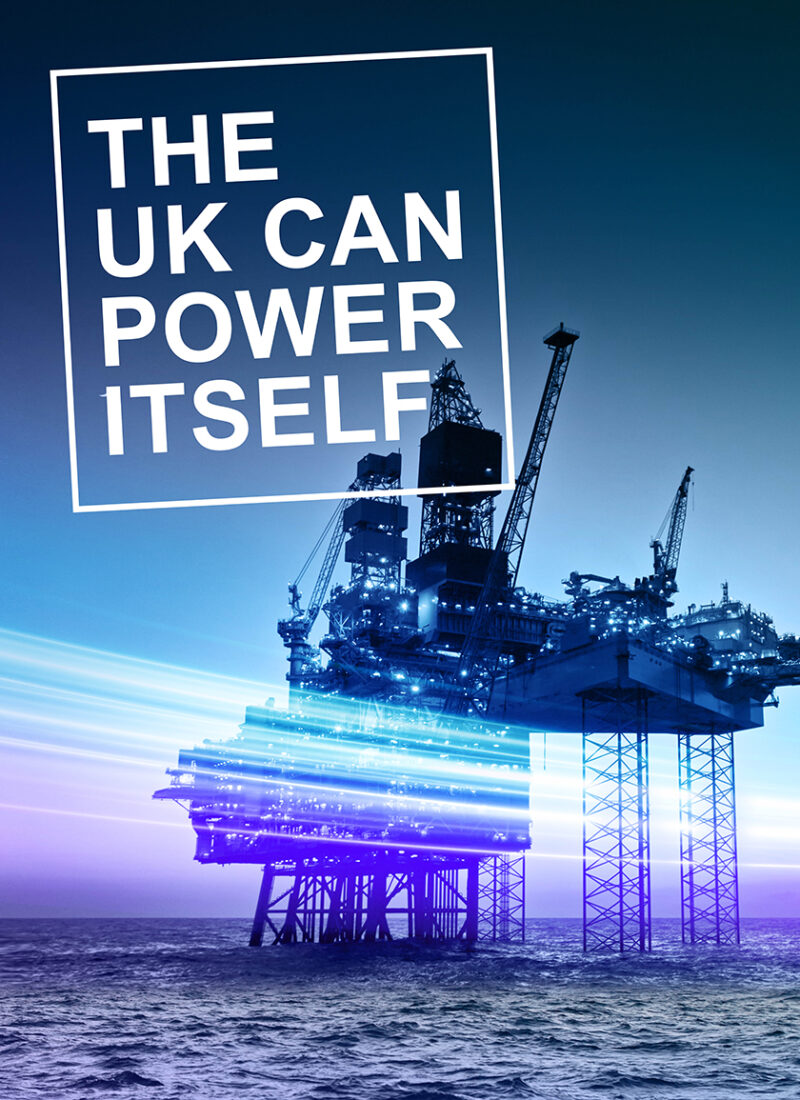
I have found my offshore visits absolutely fascinating. Not only is the size of these structures awe-inspiring and the technology and innovation captivating, one cannot help being impressed by the dedication and expertise of those working on the platform. In the often harsh environment of the North Sea, the level of commitment and determination from the workforce is doubly impressive and exemplary - and reinforces my belief that this is a great and pioneering industry.

2. Oil and gas today supplies 74 per cent of the UK's primary energy demand. What percentage do you believe they will supply in ten years' time?

The central scenario in DECC's latest Updated Energy and Emissions Projections suggests that the share of UK primary demand met by oil and gas might fall from 74% this year to 73% in 2021. In the high energy price scenario the share might fall to 69% while in the low energy price scenario it might rise to 76%. The share of UK primary energy demand met by UK production of oil and gas would, in all cases, be much lower, falling from around a half today to around a third by 2021.

3. What do you think is the single biggest barrier to maximising recovery of oil and gas from the UKCS and what should industry and Government be doing to raise it?

There are still many opportunities on the UKCS with some 20 billion barrels of oil equivalent, or perhaps more, to recover. But of course there are potential barriers to future investment. I do not think there is one specific barrier and I think, in considering the biggest challenges, it would depend what part of the industry you are in. But overall of course the key is to ensure that smaller and more technically challenging developments can come forward and utilise existing infrastructure before that infrastructure is taken away. Government has introduced specific field allowances to encourage marginal developments and has brought in new legislation, through the Energy act 2011, to improve the arrangements for third party access to infrastructure.

4. How can the Government help to promote the world-class engineering, manufacturing and technology that exists within the UK oil and gas industry, both at home and abroad?

Clearly, growing the UK economy and creating new jobs is vital. The UK oil and gas industry is renowned for its world class engineering, manufacturing and technology and gas a very important role in our nation's economic growth. You will have heard me state publicly that the Government is not neutral on the UK content and I am taking a close interest in this on a project basis and asking my officials, as part of the field development approval process, to carry out an analysis to ensure the UK companies with the capability and capacity are afforded a fair opportunity to bid for contracts.

5. What is your view of the UK industry's reaction to Macondo?

The industry as a whole has to consider its operations right around the globe to ensure that it has the necessary plans in place to prevent such an event ever happening again, and to deal with oil spills in a timely and effective fashion. That is why the work of OSPRAG - the Oil Spill Prevention and Response Advisory Group - has been so important in particular the design  and construction of the capping device.

6. What do you think of the European Commission's suggestion that a new, EU level approach to regulation at offshore safety on the UKCS is required?

Please note that the Energy Minister provided this answer before the European Commission published its proposals on offshore safety regulation.

It has been a useful exercise to look at all the EU legislation that affects offshore drilling. Today the UK has a robust, proven, national regime with decades of experience in regulating the offshore industry. The lessons of Piper Alpha led to a dramatic improvement in the regulatory system in the UK and more generally in Europe. We are very happy to share this experience and knowledge with others

Commissioner Oettinger has assured me that his proposals will take into account UK interests and that he regards the UK regulatory regime as world class. I look forward to examining those proposals when they emerge. We will continue to work with the Commission towards a pragmatic approach which does not reduce the standards of the very robust regulatory system which we already have here.

7. Emission reductions, energy security and affordability are the cornerstones of UK energy policy. How can the righ balance be found?

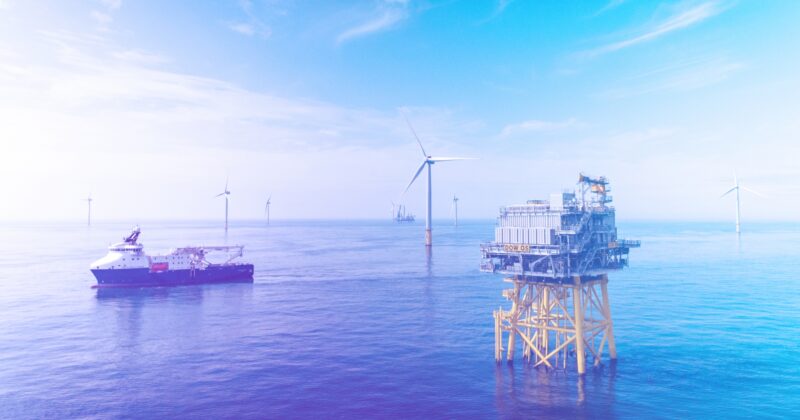
Diversity of supply will be critical to delivering all of our objectives, ensuring that the UK market remains resilient and flexible to changing situations. We are putting in a place reforms to the electricity market which will create a greener, cleaner and ultimately cheaper mix of electricity sources here in the UK; nurturing a new generation of power stations including renewables, new nuclear and carbon capture and storage, bringing in new jobs and expertise in the UK workforce. However while we are working hard to achieve a diverse, low carbon energy supply this cannot be done overnight - oil and gas currently supplies three quarters of our energy, and will continue to be of substantial importance for many years to come.

8. What further action can the Government take to ensure that carbon capture and storage is delivered in the UK?

Despite all parties working extremely hard on the project at Longannet, we were not able to reach a satisfactory deal for our first CCS demonstration on this particular project at this particular time. The Government remains firmly committed to CCS. What our work on this project has made clear is that the technology is feasible and demonstrations remains possible and affordable within the £1 billion we have committed. There are a number of promising CCS projects proposed both in Scotland and England and we expect to commence a more streamlined selection process as soon as possible.

9. What is the Government's vision for PILOT?

I think that the changes we are making to PILOT, which are essentially to ensure that the widest industry viewpoints are brought into the discussion, are important for the long term health of the industry. It is important that no part of the industry feels left out of the debate or feels that their views and concerns are not being considered. Only by bringing everyone in industry along will we achieve the overall vision of realising the full potential of the UK's hydrocarbon resources. PILOT is considered by other sectors as the benchmark when it comes to Government / industry collaboration. I want this to continue, and by putting renewed energy into the forum and ensuring it is the focus for addressing strategic industry issues, I think we will achieve this.

10. Would you recommend building a career in the UK oil and gas industry to a young person and why?

This is an industry at the absolute cutting edge of technology, which is central to global energy security and prosperity. It offers a wonderful range of high quality and highly paid jobs, and with nearly 20 billion barrels still to come from the North Sea, excellent long-term career prospects.

What I feel will be particularly attractive is the many rewarding, varied options and opportunities there are for young people, which offer transferable skills that are not just valued here in the UK, but also globally, where our people are renowned for their excellence.