|
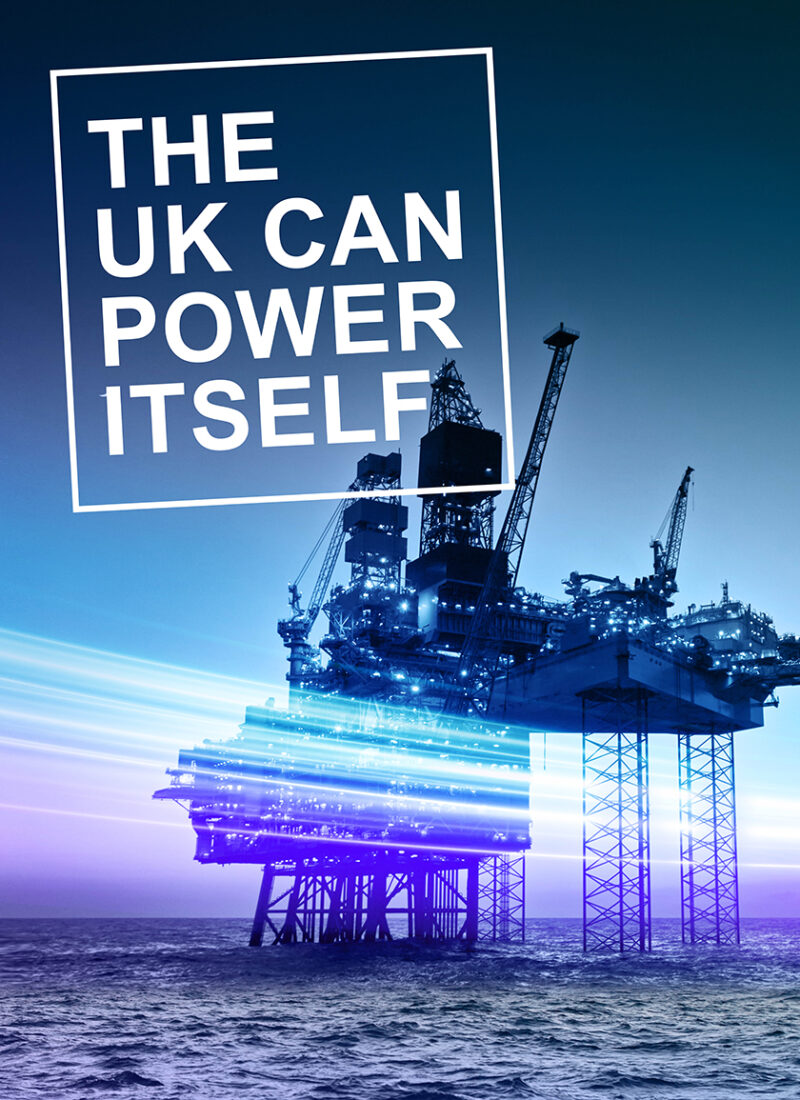
Piper Alpha was a large North Sea oil platform that started production in
1976. It produced oil from 24 wells and in its early life it had also
produced gas from two wells. It was connected by an oil pipeline to Flotta
and by gas pipelines to two other installations. In 1988, Piper Alpha was
operated by Occidental Petroleum (Caledonia) Ltd ("OpCal"), a wholly owned
subsidiary of Occidental Petroleum Corporation.
On 6 July 1988, there was a massive leakage of gas condensate on Piper
Alpha, which was ignited causing an explosion which led to large oil fires.
The heat ruptured the riser of a gas pipeline from another installation.
This produced a further massive explosion and fireball that engulfed the
Piper Alpha platform. All this took just 22 minutes. The scale of the
disaster was enormous. 167 people died, 62 people survived.
It is believed that the leak came from pipe work connected to a condensate
pump. A safety valve had been removed from this pipe work for overhaul and
maintenance. The pump itself was undergoing maintenance work. When the pipe
work from which the safety valve had been removed was pressurised at
start-up, it is believed the leak occurred.

Initial response from industry
As details of the causes of the disaster emerged, every offshore Operator
carried out immediate wide-ranging assessments of their installations and
management systems. These included:
-
Improvements to the "permit to work" management systems
-
Relocation
of some pipeline emergency shutdown valves
-
Installation of sub sea pipeline isolation systems
-
Mitigation
of smoke hazards
-
Improvements to evacuation and escape systems
-
Initiation
of Formal Safety Assessments
The industry invested in the order of £1 billion on these and
other safety measures before Lord Cullen's Public Inquiry into the disaster
reported.
The Cullen Inquiry
Lord Cullen chaired the official Public Inquiry into the disaster in two
parts. The first was to establish the causes of the disaster. The second
made recommendations for changes to the safety regime. The inquiry began in
November 1988, with Lord Cullen’s report being published in November 1990.
UKOOA, the oil and gas production companies’ trade association (now Oil &
Gas UK), was represented throughout but did not participate in Part I, which
was to establish the cause of the disaster. It did, however, play a full
role in Part II, which considered measures to prevent future major
accidents, and provided 34 expert witnesses.
The Cullen Report
Lord Cullen made 106 recommendations within his report, all of which were
accepted by industry, many being a direct result of industry evidence.
Responsibilities for implementing them were spread across the regulator and
the industry. The Health and Safety Executive (HSE) was to oversee 57. The
operators were responsible for 40. Eight were for the whole industry to
progress and the last was for the Standby Ship Owners Association.
Industry acted urgently to carry out the 48 recommendations that operators
were directly responsible for. By 1993 all had been acted upon and
substantially implemented.
At the same time the Health and Safety Executive (HSE) developed and
implemented Lord Cullen's key recommendation: the introduction of safety
regulations requiring the operator/owner of every fixed and mobile
installation operating in UK waters to submit to the HSE, for their
acceptance, a safety case.
The Safety Case Regulations
The Offshore Installations (Safety Case) Regulations came into force in
1992. By November 1993 a safety case for every installation had been
submitted to the HSE and by November 1995 all had had their safety case
accepted by the HSE.
The Safety Case Regulations require the operator/owner (known as the 'duty
holder') of every fixed and mobile installation operating in UK waters to
submit to the HSE, for their acceptance, a safety case.
The safety case must give full details of the arrangements for managing
health and safety and controlling major accident hazards on the
installation.
It must demonstrate, for example, that the company has safety management
systems in place, has identified risks and reduced them to as low as
reasonably practicable, has introduced management controls, provided a
temporary safe refuge on the installation and has made provisions for safe
evacuation and rescue.
The safety case is a very comprehensive piece of work. Preparing, revising
and updating the Safety Case whenever needed throughout the full life cycle
of an installation make considerable demands on the duty holder.
The Safety Case Regulations were revised in 2005, in light of 13 years of
experience. The objective of the revisions was to improve the effectiveness
of the regulations whilst at the same time reducing the burden of three
yearly resubmissions.
Health and safety
legislation offshore
In addition to the application of the Health and Safety at Work Act (1974),
there may be particular hazards in the offshore environment that need
special consideration. There are therefore major sets of UK regulation
applicable to the industry's operations.
The Offshore Safety Case Regulations are underpinned by more detailed
regulations. These are:
-
The
Offshore Installation and Pipeline Works (Management and Administration)
Regulations 1995 - these set out requirements for the safe management of
offshore installations such as the appointment of offshore installation
managers (OIMs) and the use of permit-to-work systems;
-
The
Offshore Installations (Prevention of Fire and Explosion, and Emergency
Response) Regulations 1995 (PFEER)
- these provide for the protection of offshore workers from fire and
explosion, and for securing effective emergency response;
-
The
Offshore Installations and Wells (Design and Construction, etc)
Regulations 1996 - these are aimed at ensuring the integrity of
installations, the safety of offshore and onshore wells, and the safety
of the workplace environment offshore.
There are a wide range of other regulations applicable to the
offshore oil and gas industry. These include (but are not limited to):
-
The
Management of Health and Safety at Work Regulations 1992
-
The
Control of Substances Hazardous to Health Regulations updated in1999
-
The Noise
at Work Regulations 1989
-
The Health
and Safety at Work Act (1974)
-
The
Provision and Use of Work Equipment Regulations (PUWER)
-
The
Lifting Operations and Lifting Equipment Regulations (LOLER)
-
The
Dangerous Substances and Explosive Atmosphere Regulations (DSEAR)
These regulations above are in addition to various regulations dealing with
first-aid, safety representatives and safety committees, personal protective
equipment (PPE), display screen equipment, manual handling and safety zones.
In the UK, safety legislation is "goal-setting" rather than prescriptive.
The legislation sets out the objectives that must be achieved, but allows
flexibility in the choice of methods or equipment that may be used by
companies to meet their statutory obligations.
Enforcement and workforce
involvement
The Health and Safety Executive's (HSE) Offshore Safety Division employs a
team of inspectors who are responsible for enforcing both the offshore
specific regulations and the general safety legislation common to all
industries. Their work includes regular inspection visits to offshore
installations. They will investigate safety incidents, and prosecute if
necessary.
The Offshore Installations (Safety Representatives and Safety Committees)
Regulations, which came into force in 1989, also provided a voice to the
offshore workforce in the health and safety of their installation. Members
of the offshore workforce have the right to elect, by secret ballot every
two years, a safety representative to represent them in dealings with the
installation management on health and safety and to establish safety
committees on each platform.
The Operator has a duty to ensure and pay for the training of the Safety
Representatives.
Secondly, the workforce is involved in developing the Safety Case for an
installation. The Safety Case Regulations require the operator both to
demonstrate they have consulted with the workforce when preparing the Safety
Case and to make copies of the accepted Safety Case
available to them.
Safety Representatives have made and continue to make a valuable
contribution to safety offshore. For example, Safety Representatives from
installations across the UKCS are actively engaged with the industry's Step
Change in Safety campaign, via the Elected Safety Representative network set
up to improve exchange of information and share best practice.
Establishment of safety
guidelines
Lord Cullen recommended that the industry specify the standards used to
comply with goal-setting regulations. Oil & Gas UK publishes guidelines in
accordance with this recommendation which are usually developed with other
stakeholders, such as the Health and Safety Executive (HSE) and other
industry trade associations. The guidelines are designed to identify and
assess key areas of risk and provide guidance on the measures and procedures
most suitable for controlling those risks.
The "goal-setting" approach to safety legislation differs from the
prescriptive style in that rather than being given a fixed check list of
things that must be done to meet a statutory requirement, companies can
choose the best methods or equipment available at the time. Oil & Gas UK
(formerly UKOOA) guidelines aid this process by promoting best practice
across the industry.
Impact of the industry's efforts on safety performance
The chart
below shows the safety performance of the UK oil and gas industry, compared
to the best region in the world since 1997, in terms of the frequency of all
reported injuries (including fatalities).

The chart
indicates that there has been a significant fall in the Lost Time Injury
Frequency Rate for the UK since 1997.
The industry was concerned that its earlier successes were not being
sustained and launched the Step Change in Safety (www.stepchangeinsafety.net)
initiative in September 1997. The campaign was to refocus the safety effort
and set an ambitious target of delivering a 50 per cent improvement in the
whole industry's safety performance over the following three years.
The Health and Safety Executive (HSE) publishes all health and safety
statistics relating to the UK oil and gas industry on its website at
http://www.hse.gov.uk/offshore/information.htm
What is the industry currently doing to improve its safety performance?
Significant improvements have been made in the UK offshore
industry since Piper Alpha. This includes improvements in
both the hardware and in the safety culture of the
industry. However, we know we cannot be complacent. The launch of Step
Change in Safety was designed to continue the post-Piper Alpha improvements
and drive greater improvement and workforce involvement.
Health and Safety Index
|
|
|